(717) 336-5030        

Industrial Plastisol Coating Services for Manufacturers and Engineers

When your components need a coating that handles harsh conditions, resists corrosion, and stays comfortable in the hands of operators, standard paint or powder coat often falls short. Plastisol coating services deliver a thick, flexible, PVC-based finish that protects parts under demanding industrial and commercial applications without sacrificing grip, comfort, or durability.

At Precision Coating Technology & Manufacturing (PCTM), we provide industrial and commercial plastisol coating for manufacturers and OEMs across Pennsylvania, the Mid-Atlantic region, Southern New England, and the Midwest. If you need a coating partner who understands your production requirements, we are ready to help.

Red, orange, green, and blue PVC-coated springs in front of a spread-out set of color swatches.
plastisol table

What Are Plastisol Dip Coatings?

Plastisol coating is essentially liquid vinyl. It’s a unique formulation of polyvinyl chloride (PVC) particles within a plasticizer. When heated and cured, PVC dip coating provides a soft but strong finish to metals, making it a perfect choice to protect various items.

The metal substrates are adequately primed and heated, then dipped into a tank containing plastisol liquid. PCTM can dip the base object multiple times to achieve the desired coating thickness—usually between 1/8-inch to 1/4-inch thick. The liquid plastisol covers and fills surface imperfections, making it an excellent choice to coat molded and unusually shaped parts.

Typical Industrial and Commercial Applications for Plastisol Coatings

PVC plastisol dipping provides a soft, color-matched finish over various metal substrates. When you choose PCTM, your plastisol coatings can have either a smooth, glossy finish or a rough-textured finish. The grip and texture provided by this finish can be valuable, depending on your industry and purposes. Many industries look to PCTM for dip coating services, including manufacturers across Pennsylvania, the Mid-Atlantic region, and beyond:

Are you looking for industrial or commercial plastisol coating services near you? Contact us today to discuss your options.

Plastisol Powder Coatings Advantages

If your components are experiencing grip failure, corrosion, or wear that shortens product life, a plastisol dip coating may be the solution your engineering team needs.

Professionals and industry experts lean on powder coatings of all kinds for protection, aesthetics, and decreased maintenance. However, these generic benefits are not all that PVC coating can provide.

With the many advantages of PVC plastisol coating, it’s no wonder various industries use it to protect their products. The coat provides superior durability and protection from adverse weather conditions and other harsh environments. Other advantages include:

  • Heavy coating thickness, usually from 1/8-inch to 1/4-inch
  • Strong chemical resistance
  • Excellent corrosion resistance
  • Outstanding abrasion resistance
  • Good insulating properties
  • Soft to the touch
  • Long-lasting and resilient
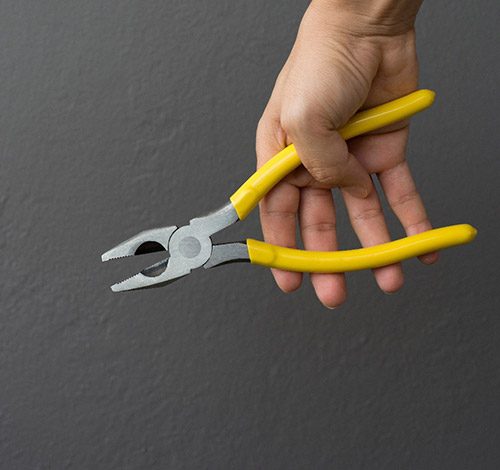
  • Provides excellent grip for tool handles and clamping devices

Some of these benefits may be more attractive depending on the tools and equipment in question. What makes plastisol stand out among industrial coatings is its combination of soft-touch feel and rugged durability, a profile that performs where rigid coatings crack or fail.

How Are Plastisol Coatings Applied to Your Equipment?

PVC dip and plastisol coatings are very flexible and easy to apply, making them suitable for various coating methods:

Hot and Cold Dip Coating

Dip coating is the simplest process in which the item is submerged partially or fully in the liquid plastisol. Hot dip methods involve pre-heating the item, while cold dip methods do not. Both of these methods involve a heating step after the application to cure and solidify the PVC dip coating. This method allows close control over the thickness of the final coating.

Plastisol Spray Coating

Another method of applying PVC coatings is to spray a coat layer onto your items. Once the item is well coated, it is heated to cure the coat. Spray coating is a prevalent method in the powder coating industry thanks to the speed and efficiency of application. This method results in thinner layers of plastisol, which can be more desirable for hand tools.

What Parts Get the Most From Precision Dip Coating?

The primary draw of plastisol and PVC dip coatings are a high friction coefficient for grip, a durable coating for protection, and a soft coating that is comfortable to interact with. This property makes it one of the most attractive coatings for equipment, furnishings, and tools that are frequently touched and interacted with, such as:

  • Tool Handles
  • Playground Equipment
  • Hooks, Hangers, and Handles
  • Workout Equipment
  • Wiring and Electronics
  • Kitchenware
  • Medical Equipment
  • Special Needs and Rehabilitation Aids

Because of the food-safe nature of PVC, it is commonly used on medical instruments and even baby utensils! It is a desirable coating option for companies needing durability and comfortable hands-on interactions. Additionally, electrical wiring and parts can benefit from plastisol because of the solid insulative properties of PVC coatings. This coating can be invaluable for protecting users from electrical shocks or burns.

Partner With PCTM for Plastisol Coatings in Pennsylvania and Beyond

When your manufacturing process depends on parts that hold up under pressure, repeated handling, or exposure to harsh environments, coating quality is not optional. PCTM’s plastisol coating services are built for engineers and manufacturers who need reliable, durable finishes on every production run.

At PCTM, we serve clients throughout Pennsylvania, the Mid-Atlantic region, Southern New England, and the Midwest. Our expert team is ready to evaluate your components and recommend the right coating solution. Pickup and delivery are available for selected clients within a 50-mile radius of Denver, PA. Request a quote today to get started.

Frequently Asked Questions About Plastisol Coating Services

Here are answers to the questions engineers and manufacturers ask us most about plastisol coating.

How is plastisol coating different from powder coating?

Powder coating and plastisol coating are two distinct processes that produce very different results. Powder coating uses dry, electrostatically charged powder sprayed onto a grounded metal part and cured in an oven. The result is a hard, thin finish typically measured in mils. Plastisol is a liquid vinyl dip or spray process. It produces a much thicker, softer, and more flexible finish than powder coat.

Will plastisol coating affect my part dimensions or fit tolerances?

Yes, and this is an important consideration before specifying plastisol for precision components. Because plastisol is applied as a thick liquid and cures to a layer typically between 1/8-inch and 1/4-inch, it adds measurable material to your part’s exterior dimensions. For components with tight clearances or mating fits, that dimensional change needs to be accounted for at the design stage.

Can plastisol coating be applied to irregularly shaped or molded parts?

Yes. This is one of plastisol’s strongest advantages over other coating processes. Because the liquid plastisol flows into surface contours, recesses, and irregular geometries during the dip process, it produces a consistent, even coating on parts that would be difficult or impossible to coat uniformly with spray powder coating. It also fills minor surface imperfections, which can be beneficial for cast or machined components that would otherwise require additional surface prep.

Looking for a coating service you don't see on our site?

Tim, our founder, created this business by searching for one-of-a-kind projects that nobody else was performing in the area. We take pride in specializing in these types of unique jobs that you won't find anywhere else.