
Blog
Corrosion-Resistant Coatings That Stop Farm Equipment Failures
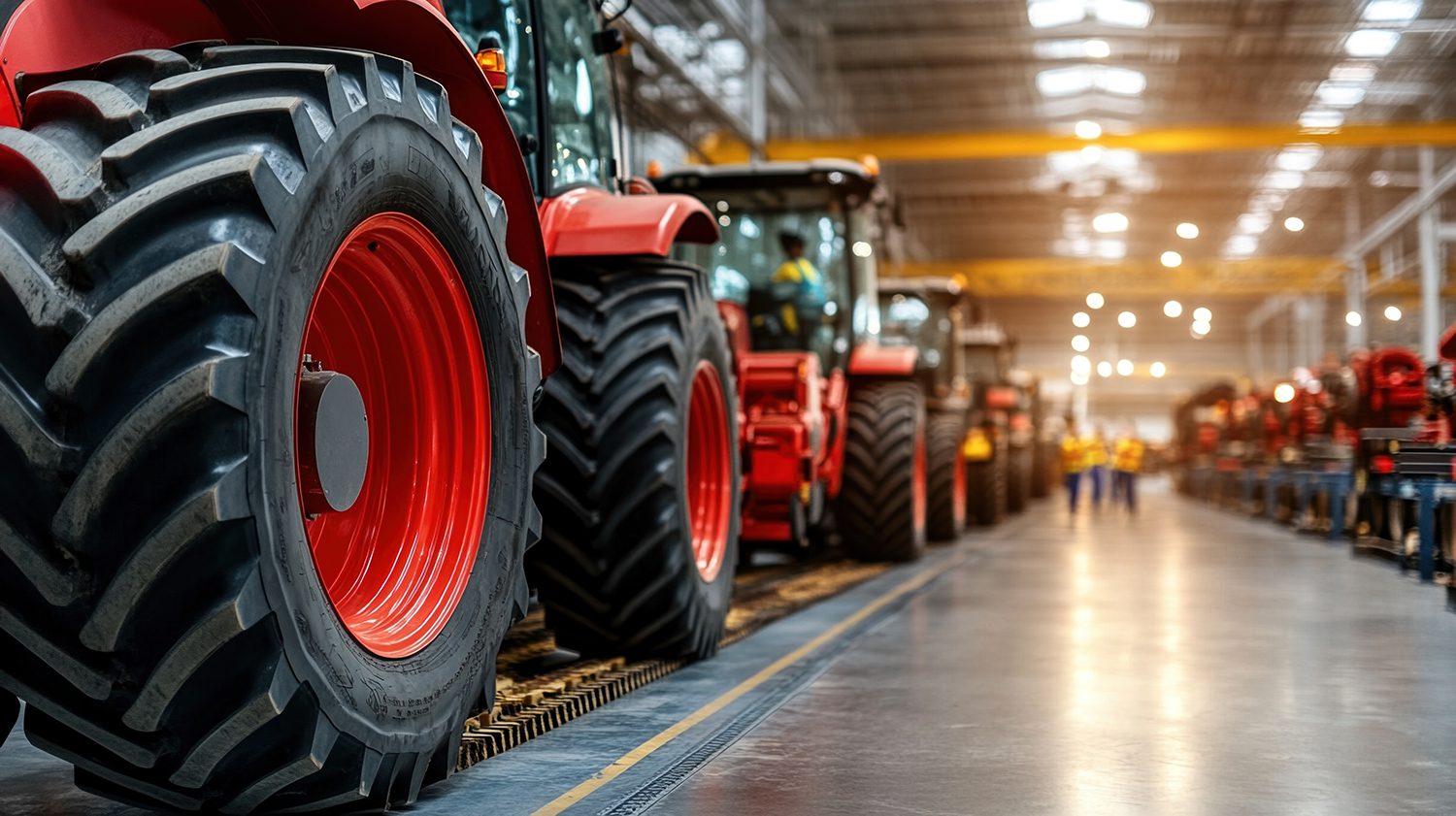
Farm equipment works hard. It runs through mud, absorbs chemical fertilizers, sits in wet fields, and takes a beating season after season. And underneath all that daily punishment, metal components are quietly corroding.
By the time rust becomes visible, the damage is often already serious. That means unplanned downtime, costly part replacements, and in the worst cases, complete equipment failures that shut down your operation at the worst possible moment.
The right corrosion-resistant coatings stop that cycle before it starts. If you are trying to extend the life of your tractors, implements, or other farm machinery, this guide will help you understand which coating fits your application — and why the choice matters more than most manufacturers realize.
Ready to protect your equipment? Request a coating consultation with PCTM today.
Why Farm Equipment Is Especially Vulnerable to Corrosion
Agricultural environments are among the harshest for metal components. Moisture, fertilizer chemicals, soil acids, and temperature swings create conditions that accelerate corrosion faster than most industrial settings.
Standard paint is not enough. It chips, scratches, and allows moisture to creep underneath the surface. Once that happens, corrosion spreads even when the outside still looks intact.
Anti-corrosion coatings are engineered specifically to form a barrier that moisture and chemicals cannot penetrate. The right coating does not just delay rust; it prevents the underlying damage that causes equipment to fail.
5 Corrosion-Resistant Coatings That Protect Farm Equipment
Choosing the right corrosion-resistant coatings is one of the most practical steps you can take to protect your equipment and reduce long-term operating costs. Below are five proven options, what each one does, and where it performs best.
1. Electrostatic Powder Coating
Electrostatic powder coating is one of the most widely used corrosion protection coatings for agricultural equipment, and for good reason.
During the process, powder particles are electrically charged and sprayed onto a grounded metal part. The electric bond pulls the powder firmly and evenly across the entire surface, including edges and corners that liquid paint tends to miss.
After spraying, the part is heat-cured, creating a finish that is:
- Chip-resistant and impact-tolerant
- Resistant to moisture, UV exposure, and mild chemical contact
- Uniform in thickness with no runs, sags, or weak spots
For farm implements, sprayer frames, toolbars, and structural equipment components, electrostatic powder coating delivers a durable barrier that holds up to daily field use.
2. Fluid Bed Powder Coating
Fluid bed powder coating uses a different approach. Parts are heated and then dipped directly into a bed of fluidized powder particles. The heat causes the powder to melt and fuse onto the part, forming a thick, seamless protective shell.
This process works particularly well for:
- Parts with complex geometries or irregular shapes
- Components that need a thicker coating layer
- Equipment parts exposed to constant physical abrasion
The thick fused film created by fluid bed coating provides excellent corrosion-protection coatings for parts that take heavy mechanical wear alongside moisture exposure.
3. PTFE and Fluoropolymer Coatings
PTFE coatings, including Teflon-based formulations, are dry film lubricant coatings that do more than resist corrosion. They also reduce friction between moving parts, which lowers wear rates and extends component life.
These coatings typically include graphite, molybdenum disulfide, ceramic-metallic compounds, or inorganic aluminum silicate. They can be applied as liquid sprays or powder coatings depending on the part and performance requirement.
On farm equipment, PTFE coatings are well-suited for:
- Moving mechanical parts such as linkages and pivot points
- Fasteners and threaded components exposed to moisture
- Parts where metal-on-metal friction accelerates wear
Reducing friction and preventing corrosion together is a significant advantage in equipment that cycles thousands of hours per season.
4. Plastisol Coating
Plastisol is a liquid vinyl coating made from polyvinyl chloride (PVC) particles suspended in a plasticizer. When heated and cured, it forms a thick, flexible protective layer typically between 1/8 inch and 1/4 inch thick.
The dipping process allows the coating to conform to irregular shapes and fill surface imperfections, making it an ideal anti-corrosion coating for:
- Molded or unusually shaped parts
- Components that need impact absorption alongside corrosion protection
- Equipment exposed to both chemicals and abrasion
Plastisol’s flexibility also means it resists cracking under the vibration and impact loads that farm equipment experiences constantly.
5. Multi-Stage Pretreatment with Iron Phosphate Conversion Coating
This is not a standalone coating, but it is a critical foundation that determines how well any topcoat performs.
Before corrosion-resistant coatings are applied, a proper pretreatment process removes rust, scale, and surface contaminants that would compromise adhesion. An effective system typically includes:
- An acid etch stage to remove rust and laser scale
- A fresh water rinse
- An iron phosphate conversion coating stage that chemically bonds to the metal surface
- A final rust-inhibiting sealant
The iron phosphate stage is especially important. It does not just clean the metal — it creates a surface chemistry that dramatically improves how well the topcoat bonds and how long it resists moisture penetration.
Skipping or cutting corners on pretreatment is one of the most common reasons coatings fail prematurely on farm equipment.
How to Choose the Right Coating for Your Equipment
There is no universal answer. The right corrosion-resistant coating depends on:
- The part geometry and size
- The type of exposure (moisture, chemicals, abrasion, or a combination)
- Whether friction reduction is also a requirement
- The operating environment and maintenance expectations
Choosing incorrectly means the coating may protect against one failure mode while leaving another unaddressed.
That is why working with a coating partner who understands agricultural applications matters as much as the coating material itself.
Not sure which coating fits your equipment? Talk to our coating team for a technical recommendation.
The Real Cost of Getting Coating Wrong
A coating failure on farm equipment is rarely just a visual problem. Corrosion that reaches structural components can compromise part integrity. Worn coatings on moving parts accelerate friction damage. And every unplanned repair takes equipment out of the field when you need it most.
Investing in the right anti-corrosion coatings up front is a straightforward way to reduce long-term repair costs and keep equipment running through full seasons without interruption.
Protect Your Equipment With a Coating Partner Who Understands Manufacturing
At Precision Coating Technology & Manufacturing, we work with agricultural equipment manufacturers and OEMs throughout Pennsylvania, the Mid-Atlantic region, and the Midwest.
We apply electrostatic powder coating, fluid bed powder coating, PTFE and fluoropolymer coatings, and plastisol with a rigorous pretreatment process that ensures the coating bonds properly and performs for the long term.
Our goal is to build long-term partnerships with manufacturers who want reliable, consistent corrosion protection coatings across their product lines.
If your equipment is facing corrosion challenges, or if you want to build better protection into your manufacturing process, we are ready to help you find the right solution.
Contact us at Precision Coating Technology & Manufacturing to request a quote or schedule a consultation.
Why Corrosion-Resistant Coatings Are a Manufacturing Must
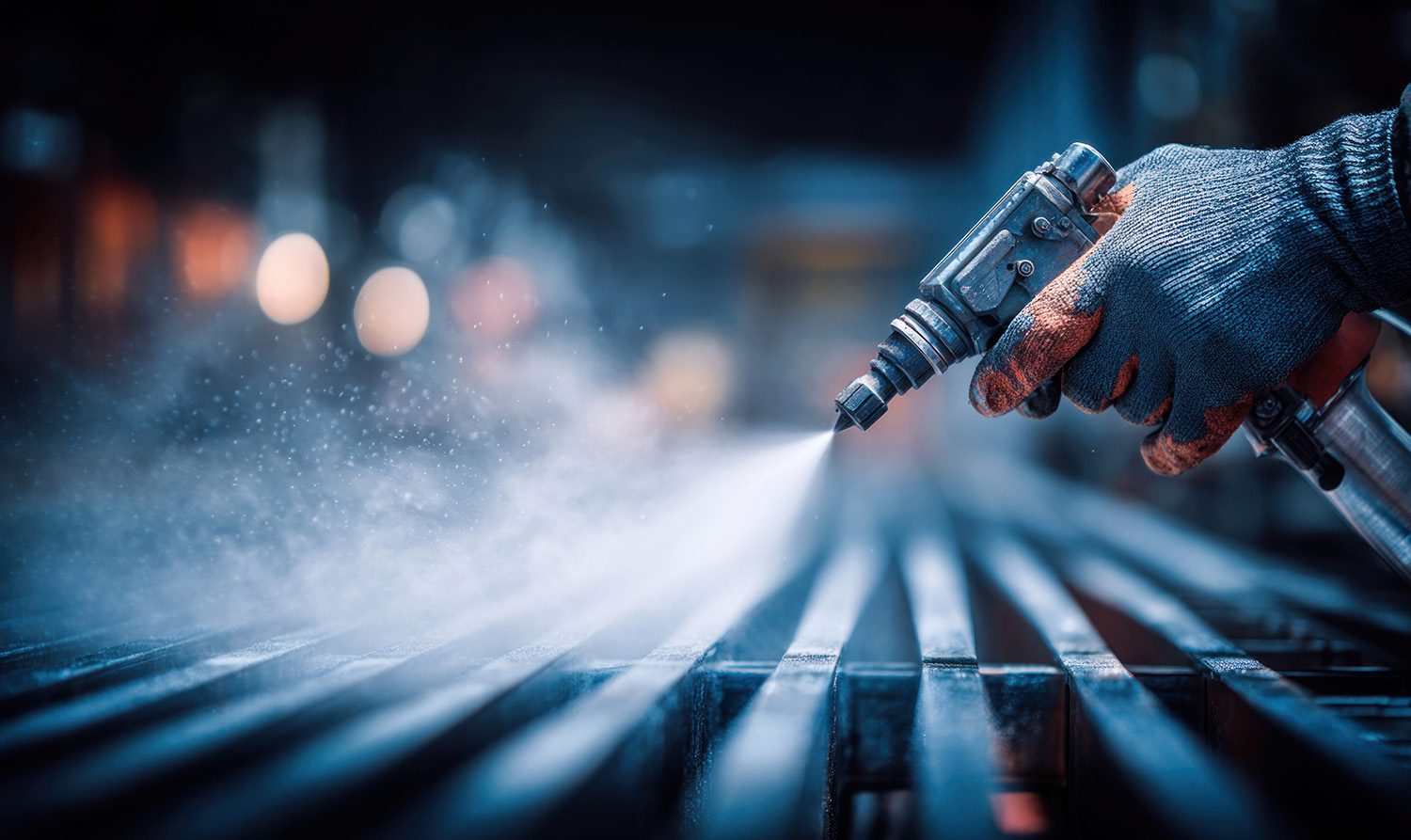
If your metal parts are exposed to moisture, chemicals, or harsh operating environments, corrosion is not a matter of if. It is a matter of when.
For manufacturers and OEMs, that reality carries real consequences. Corroded components lead to premature part failure, unplanned downtime, and costly redesigns that eat into production budgets and project timelines.
Corrosion-resistant coatings exist to stop that cycle before it starts.
Understanding how the right protective coating works and how to choose one can make a measurable difference in how long your parts perform and how efficiently your operation runs.
Continue Reading…Our Customers Helped Our Powder Coating Company Win Best of 2026
Finding a powder coating company you can trust with your parts, your schedule, and your production goals is harder than it should be. Too many manufacturers have dealt with inconsistent finishes, missed deadlines, and coating failures that forced expensive redesigns.
When you trust a coating company with your parts, your production schedule, and your product’s performance, that trust has to be earned.
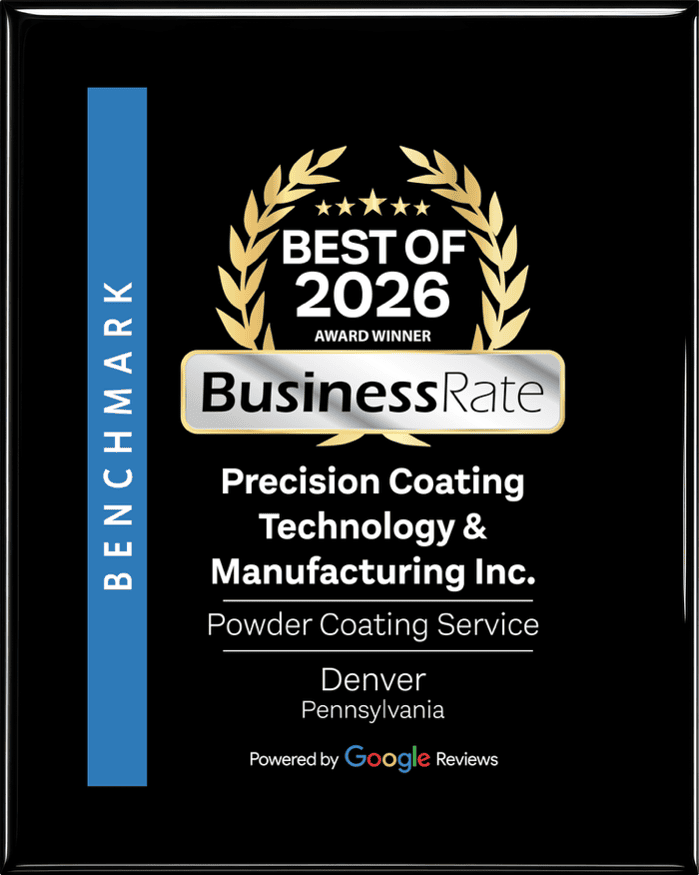
At Precision Coating Technology & Manufacturing (PCTM), our customers did the verifying for us. The BusinessRate Best of 2026 Award, powered by Google Reviews, reflects what manufacturers and engineers experience when they work with our team.
Continue Reading…Get High Quality Automotive Powder Coating Services in Denver, PA

Automotive manufacturers and OEM suppliers require coating solutions that hold up under real operating conditions. Automotive powder coating delivers a tough, protective layer that resists chips, road salt, UV exposure, and chemical wear that standard paint cannot match.
At Precision Coating Technology & Manufacturing (PCTM) in Denver, PA, your parts are handled with industrial-grade precision from surface preparation to final cure. Whether it is a single bracket or a full chassis run, every part receives the same focused care. That includes precise masking of threads, bearing surfaces, and critical contact areas before any powder is applied, so your parts arrive ready to assemble.
Continue Reading…Can You Paint Over Powder Coat?
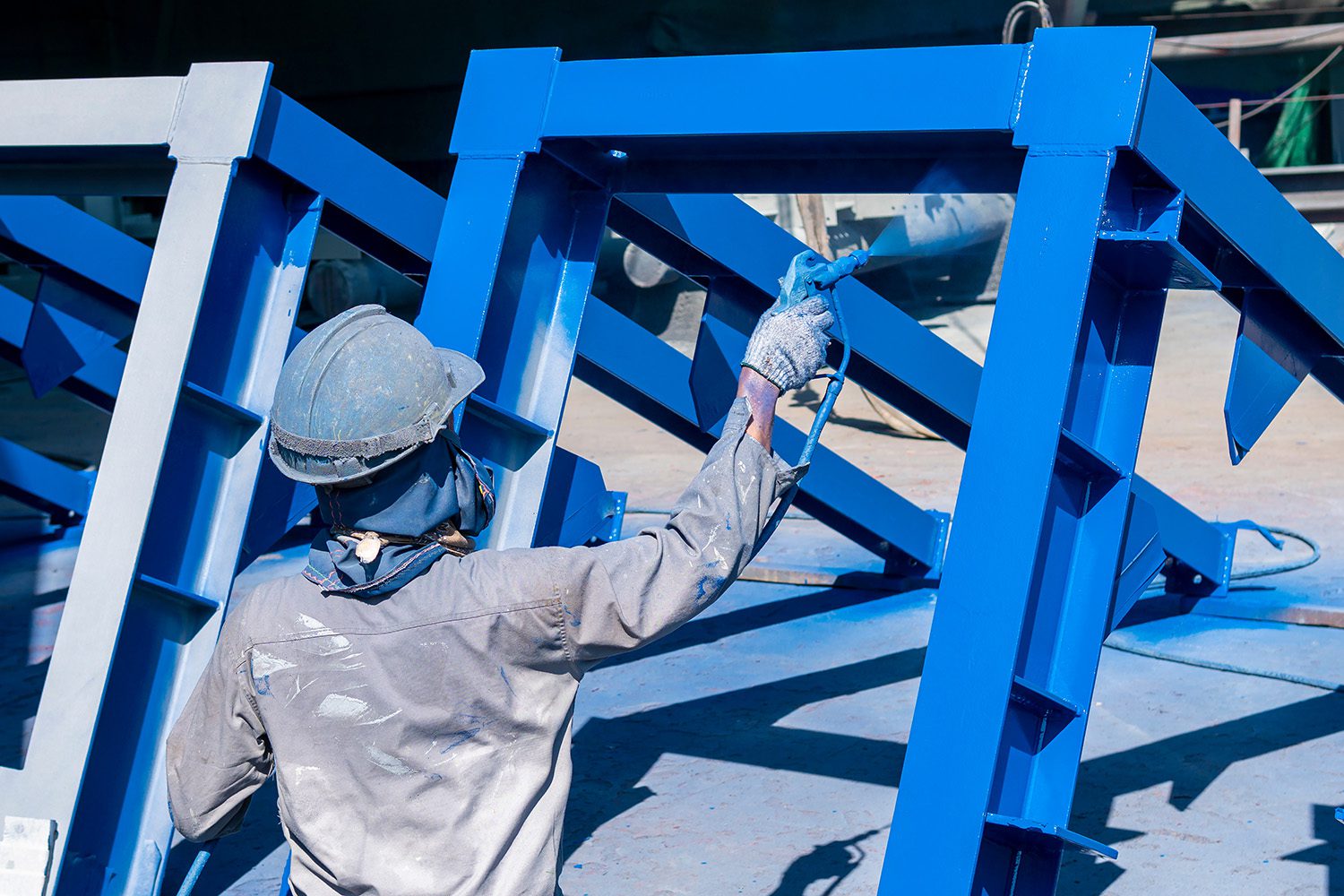
During fabrication or refinishing, the need to update a coated surface may arise, prompting the question: Can you paint over powder coat? While powder coatings are valued for their durability, that same strength can make repainting more difficult than expected.
Without proper surface preparation, issues such as poor adhesion, uneven coverage, or premature wear may occur. These problems are more likely when key surface conditions are overlooked.
If you’ve been wondering whether you can paint over powder coat, there are a few factors you have to explore first to get the results you need.
Continue Reading…How Powder Coating Thickness Impacts Durability & Appearance
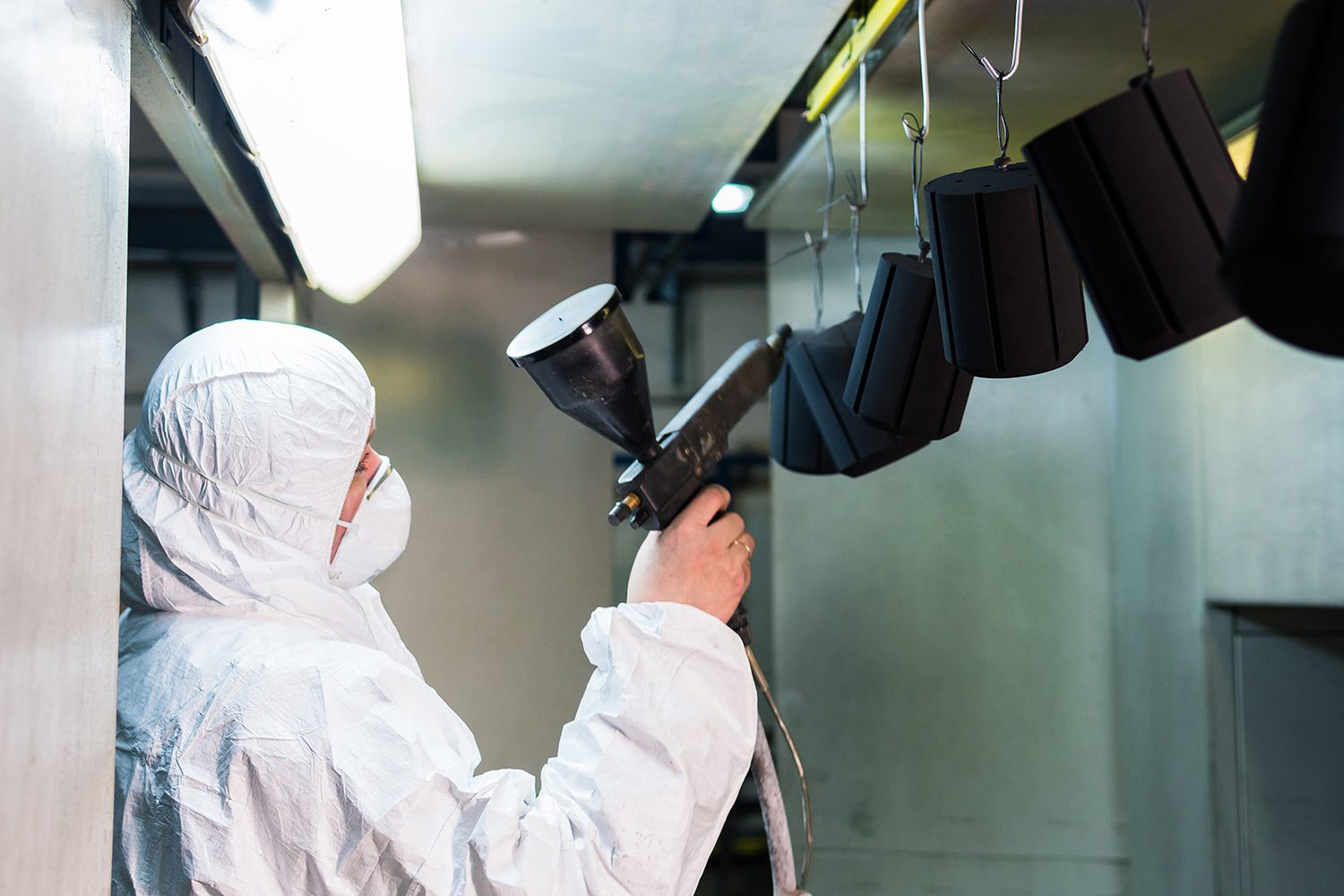
When it comes to industrial coatings, getting the thickness right is essential. For engineers, manufacturers, and quality control teams, the thickness of the powder coating can directly affect how well a product performs and how long it lasts. A finish that’s too thin might wear down quickly, while one that’s too thick can crack, peel, or look uneven.
In this blog, we’ll explore what powder coating thickness really means, why it matters for durability and appearance, and how to achieve the best results. Whether you’re designing parts for aerospace, agriculture, or architectural use, understanding the role of coating thickness helps you avoid common issues and ensures your finished product meets expectations.
Continue Reading…Guide to Heat-Resistant Powder Coatings: Which One is Right for You?
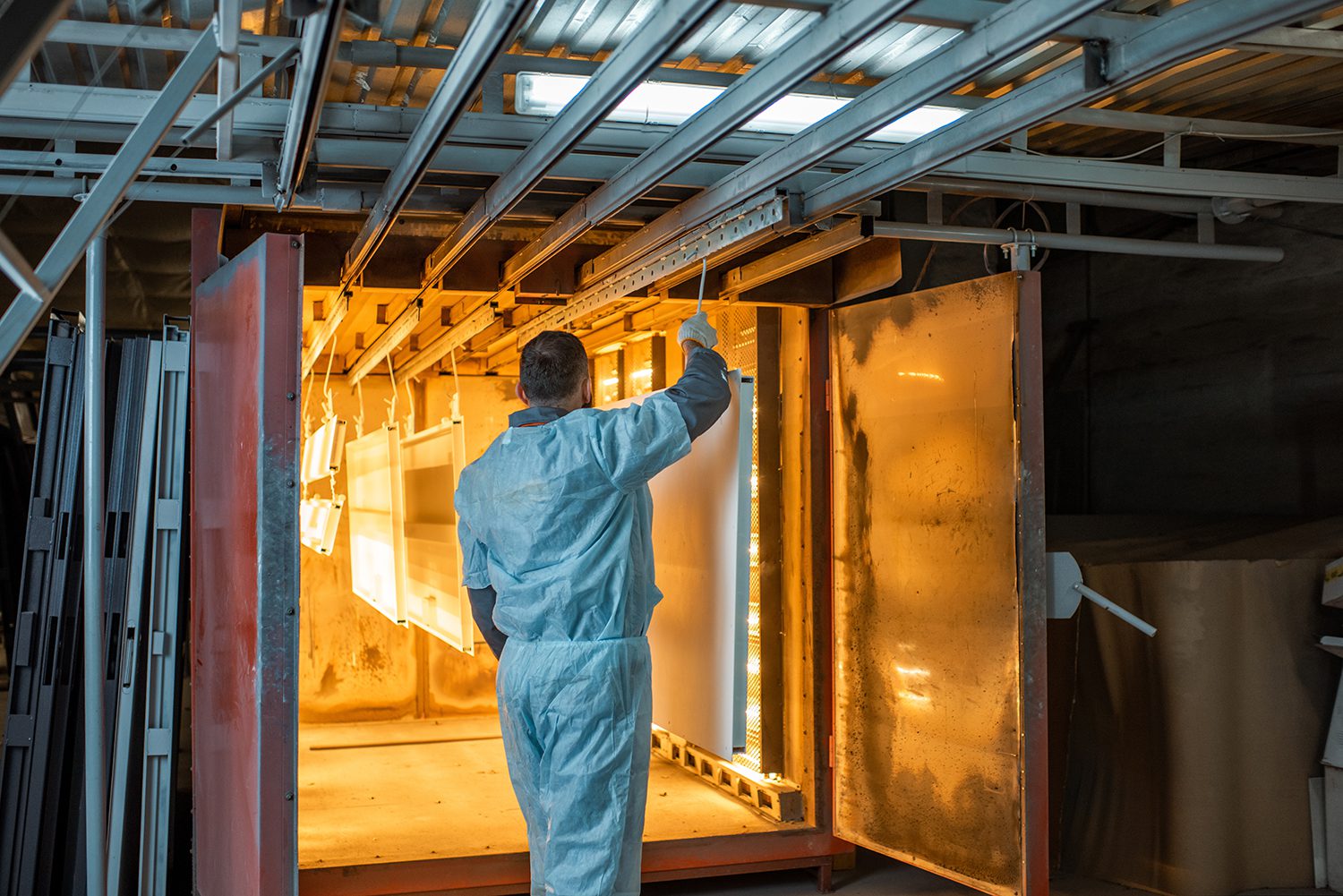
Are you tired of your equipment rapidly rusting or corroding due to extreme temperatures and environmental factors? Are your clients demanding longer-lasting equipment and more efficient products? High-heat-resistant powder coatings can provide you with an unmatched degree of strength and durability, particularly when applied by an expert team that understands your specific needs. But do you know how to find the right match for your situation?
It’s time to call Precision Coating Technology & Manufacturing! Extreme temperatures can cause weaker coatings to melt off, and even prolonged exposure to moderately high temperatures can lead to premature aging in metal parts. Protect your employees from equipment failures and extend the lifespan of your equipment with the powder coatings we can provide – call today to find your perfect match!
Continue Reading…What Temperature Can Powder Coating Withstand?
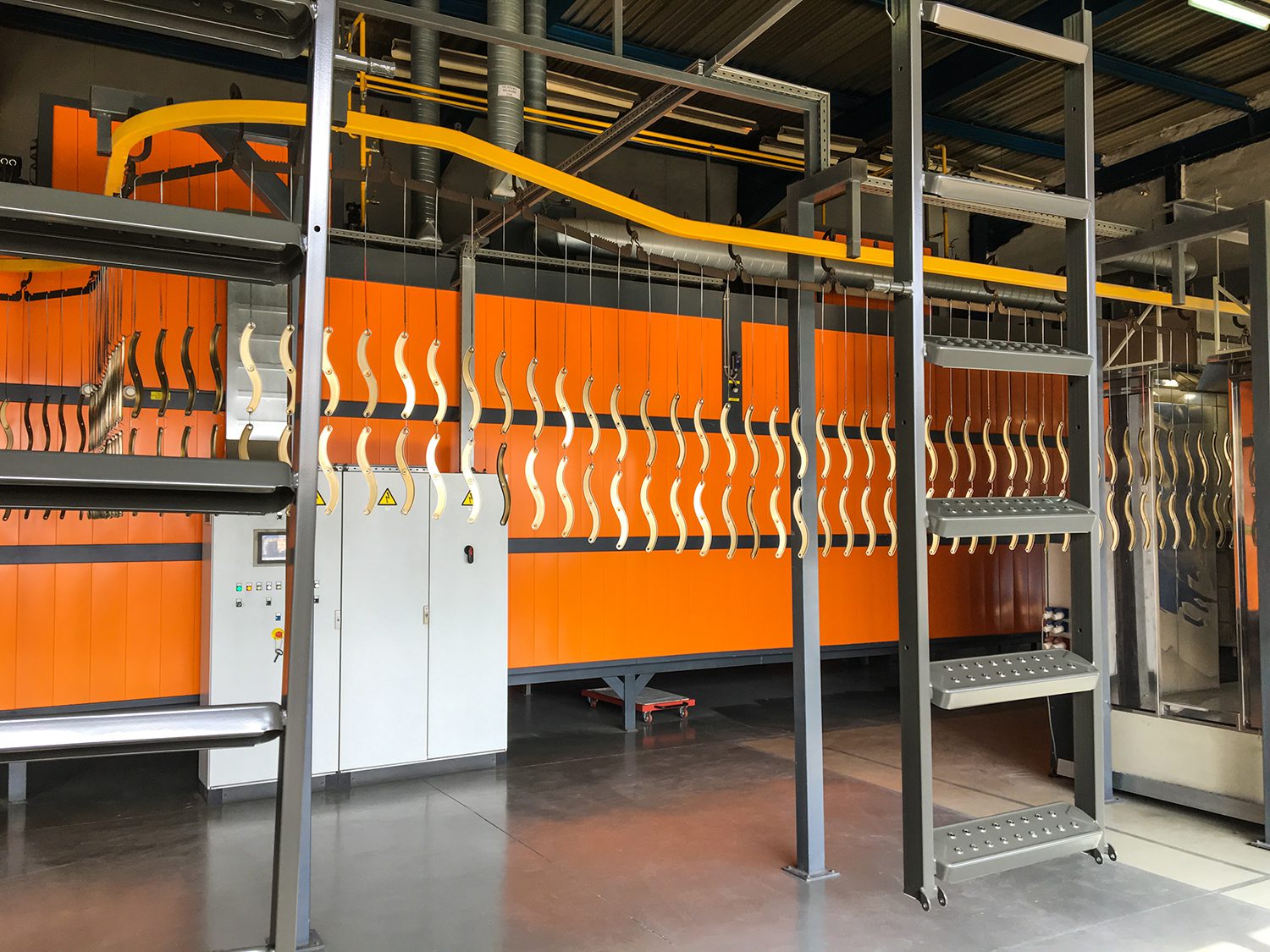
What kind of environments does your equipment face throughout your workday? Are you working on high-heat industrial factory floors that can cause damage to equipment? Are you asking, “what temperature can powder coating withstand?” When you are facing the heat of ovens or foundries, it is essential to know that your tools and parts will remain safe. While powder coating is a useful tool for protection, not all powder coatings can handle higher temperatures safely.
If you need to know that your powder coating will withstand your most stressful workday without failure, you need to work with Precision Coating Technology & Manufacturing. We offer heat-resistant powder coatings that provide you and your customers with peace of mind, smoother experiences, and more productive equipment. Call today to discuss your needs and how our powder coating technology can revolutionize your workday.
Continue Reading…How Much Thickness Does Powder Coating Add?

If you have dealt with equipment sticking or becoming less useful after using a thick layer of protective paint, you know how important even subtle changes in paint thickness can be. The thickness of your protective coatings can make a huge difference in the success and capabilities of your equipment.
This is why you should choose a powder coating expert who will keep your needs in mind and won’t simply use a one-size-fits-all technique when it comes to finishing your equipment. Powder coating is one of the most important techniques for protecting your machinery, but it requires knowledge and experience to perform correctly on the unique pieces you need protected. This is why companies across Pennsylvania and beyond trust Precision Coating Technology & Manufacturing! Contact us today to see the difference expertise can make.
Continue Reading…Can You Powder Coat Aluminum? A Complete Guide to Durable Finishes
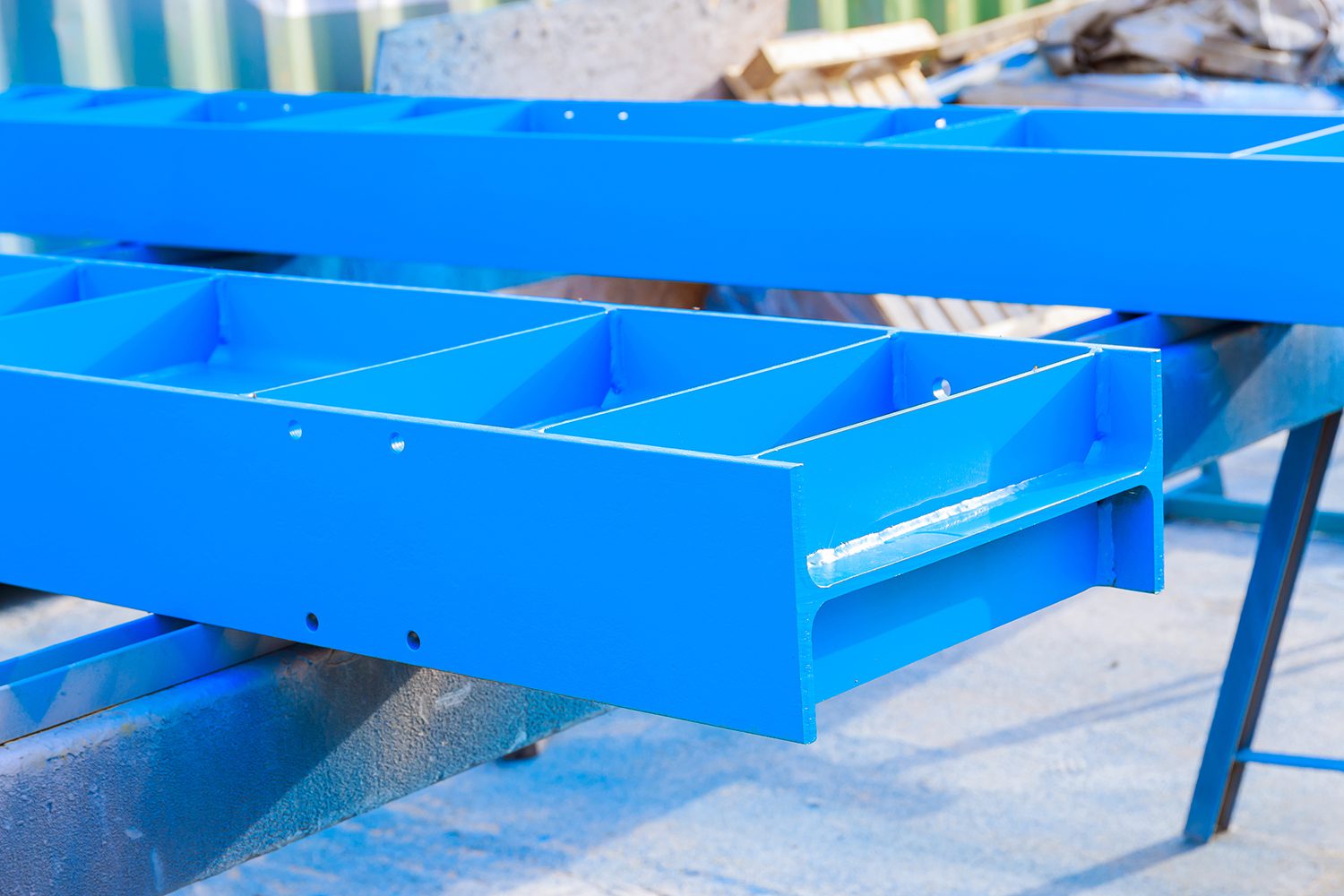
The simple answer is yes, powder coatings are perfectly usable on aluminum surfaces, but there are some technical concerns and notes that you should consider! Powder coatings are perfect for protecting your metal surfaces and providing a wide range of attractive colors. However, these protective finishes can have technical advantages and disadvantages depending on a number of factors.
As experts in powder coatings of all kinds, we want to educate our customers on how to make the most of our incredible technologies. With Precision Coating Technology & Manufacturing, you can have a true partner in equipment and productivity tools – Call us today to have a conversation about your most important equipment concerns.
Continue Reading…1 2 3 4 Next »
