
Can You Paint Over Powder Coat?
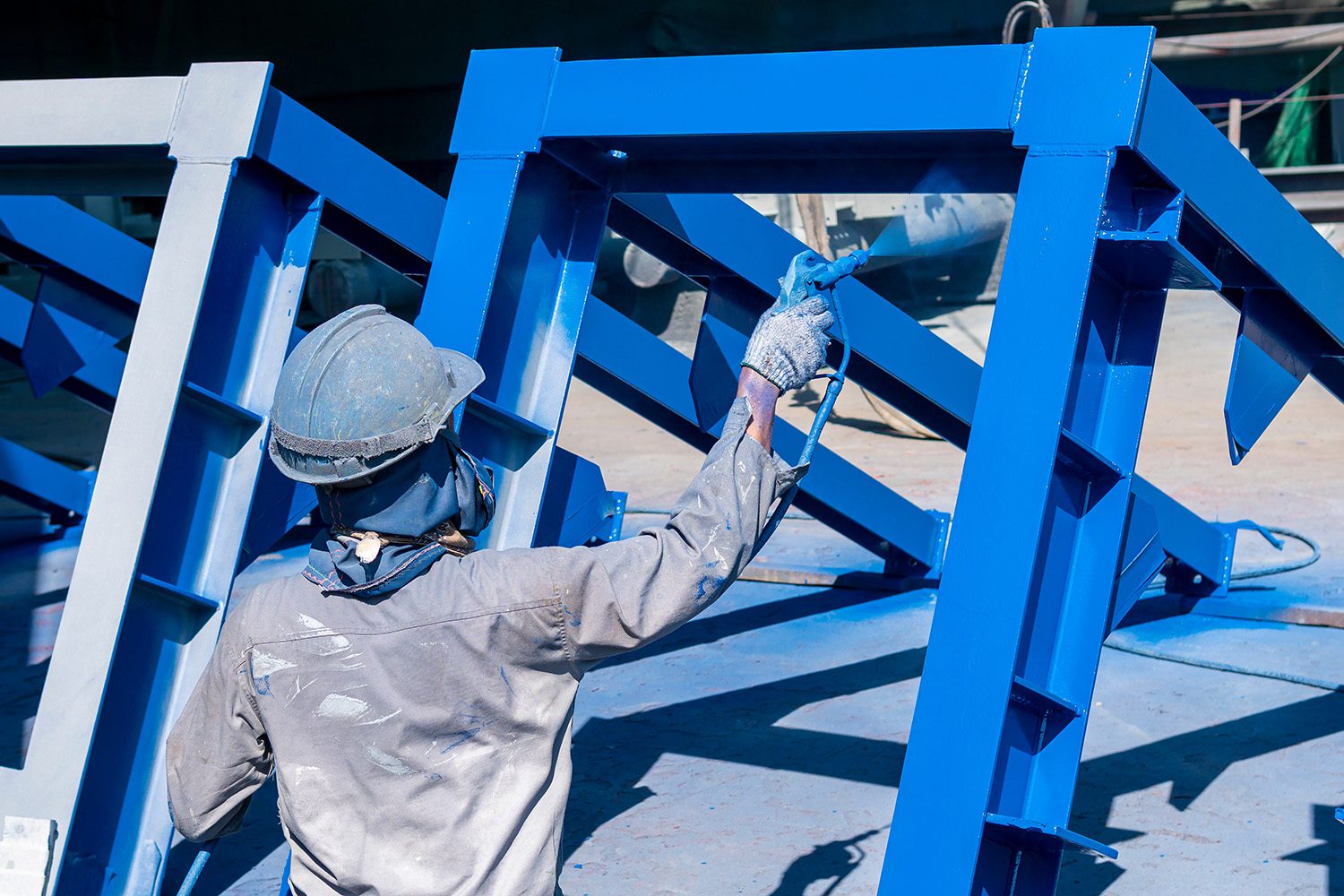
During fabrication or refinishing, the need to update a coated surface may arise, prompting the question: Can you paint over powder coat? While powder coatings are valued for their durability, that same strength can make repainting more difficult than expected.
Without proper surface preparation, issues such as poor adhesion, uneven coverage, or premature wear may occur. These problems are more likely when key surface conditions are overlooked.
If you’ve been wondering whether you can paint over powder coat, there are a few factors you have to explore first to get the results you need.
Why Powder Coating Affects How You Repaint
Powder coating is a dry-applied finish cured with heat to form a strong, uniform shell. It’s widely used on metal surfaces because it resists corrosion, fading, and abrasion. This durability makes it ideal for heavy-duty use, including in military equipment applications and agricultural tools and components.
However, that same durability can make repainting tricky. Powder-coated surfaces are smooth and non-porous, which means paint won’t easily adhere. That’s why prepping the surface properly is essential if you want lasting results. For a deeper understanding of how powder coatings build up on parts, check how much thickness powder coating adds.
Can You Paint Over Powder Coat Without Removing It?
Yes, you can paint over powder coat, provided the surface is clean and roughened before painting. Whether you are correcting minor scratches or updating a product’s color, paint can adhere to the coating if the top layer is properly treated.
Start by cleaning the surface to remove grease, oils, and debris. Use a strong solvent cleaner for thorough results. Then, lightly sand the surface with fine-grade sandpaper. This step gives the new paint a better chance to bond and helps reduce the risk of peeling.
In many cases, this approach saves time and avoids the cost of fully removing the existing coating.
Steps to Prepare the Surface
Follow these steps to get the surface ready for painting:
- Clean with a solvent-based cleaner to remove grease and debris.
- Lightly sand the powder coat with fine-grade sandpaper to create texture.
- Wipe away any dust or residue after sanding.
These are the same methods we use during our electrostatic spray coating process, where surface prep plays a critical role in bonding.
Choosing the Right Paint for Powder-Coated Surfaces
Your choice of paint type can affect how long your finish lasts. For most metal parts, especially those under heavy use, epoxy-based or urethane-based paints are your best options. These paints adhere better to scuffed coatings and withstand harsher conditions.
For smaller jobs or cosmetic changes, enamel spray paints are a workable solution. Just avoid latex paints—they don’t bond well and often peel prematurely on coated surfaces. Need a more performance-based option? Explore our dry film lubrication coating services for friction and wear resistance.
When to Strip the Powder Coat Completely
There are instances where the powder coating should be completely removed. If the finish is bubbling, flaking, or damaged beneath the surface, repainting over it may not produce reliable results. This is especially important for parts that experience heavy contact or exposure to moisture.
Precision Coating Technology & Manufacturing offers chemical stripping and abrasive blasting services to remove old coatings completely. Once the surface is clean, you can apply a new powder coat or switch to a different finish, such as Plastisol Coating.
Can You Paint Powder-Coated Aluminum?
Yes, you can. In fact, many aluminum parts are powder coated for added protection. If you want to paint over them, you must follow the same surface prep process—clean, scuff, and wipe down—just as you would with steel or other metals.
If the aluminum is thin or highly flexible, be extra careful not to over-sand, which can damage the base material.
Should You Consider a Different Coating Method?
In some cases, it’s reasonable to ask, can you paint over powder coat, or is it better to choose another method entirely? While repainting is possible, achieving better results may be possible through alternative coatings, depending on how the part will be used.
Thicker, more even coverage is typically provided by Fluid Bed Powder Coating. For parts needing flexibility or insulation, Vinyl Dip Coating is often selected. These methods are usually preferred for items with complex shapes or specific functional needs.
How Long Will Paint Over Powder Coat Last?
When applied correctly, paint over a powder coat can extend the life of your equipment or parts. However, painted finishes typically do not last as long as a new powder coat. In harsh environments with moisture, chemicals, or frequent handling, paint tends to wear more quickly.
For this reason, many clients in sectors such as agriculture and defense choose full recoating services to ensure longer-lasting performance. To see how coating options compare, visit Precision Coating Tech Clients.
Final Thoughts: Can You Paint Over Powder Coat Successfully?
So, can you paint over powder coat? Yes—as long as the surface is cleaned, scuffed, and matched with the right type of paint, the job can be successful. You’ll get a reliable finish on less demanding parts or for appearance upgrades. For more critical or worn-down parts, full stripping and refinishing may give you better value.
At Precision Coating Technology & Manufacturing, powder coated surfaces are treated with precision and care. Whether you need repainting, full coating removal, or help selecting the best solution, our team develops coating plans tailored to your part usage.
