
How Corrosion-Resistant Coatings Protect Architectural Metalwork for Decades
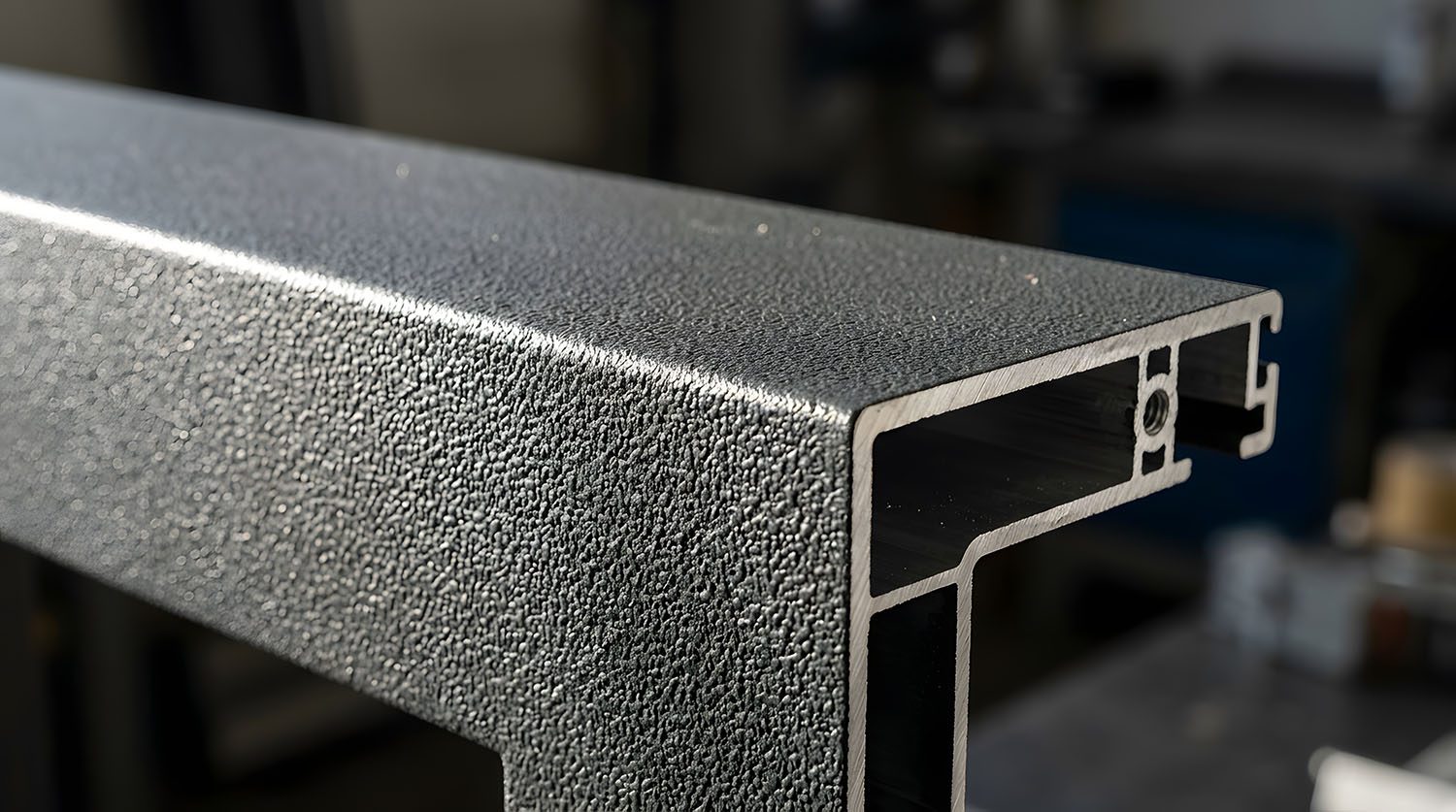
A railing, sunscreen panel, or curtain wall frame can look perfect the day it ships. The real test comes years later, after thousands of wet-and-dry cycles, winter deicing salt, and summer heat have worked on every edge, weld, and fastener hole.
When the finish fails, the signs are hard to miss. Rust bleeds onto concrete and glass. The coating blisters at welds and lifts at cut edges. Then the calls start, and the conversation turns to field repairs, warranty claims, or replacement.
With Corrosion-resistant coatings, you can keep that conversation from happening. When you match the coating system to the environment and apply it over a properly prepared surface, architectural metalwork can hold its strength and appearance for decades. Let’s walk through how these coatings work and what to consider when you specify them.
What Causes Architectural Metalwork to Corrode?
Steel needs only oxygen and moisture to start rusting, and exterior building components get plenty of both. Several conditions speed the process up, such as:
- Moisture and condensation. Rain, dew, and condensation leave a film of water on metal. Ledges, joints, and the inside of hollow tubes stay wet the longest.
- Salt and chlorides. Coastal air and deicing salts carry chlorides that break down protective films. Railings at entrances, parking structures, and walkways take the worst of it.
- Airborne pollutants. Urban and industrial air carries sulfur compounds that form acids when they mix with moisture.
- Temperature swings. Daily and seasonal heating and cooling make metal expand and contract, which stresses the coating and can open small cracks where water gets in.
- UV exposure. Sunlight breaks down some coating resins over time, leading to chalking, fading, and a thinner barrier.
How Do Corrosion Resistant Coatings Protect Metal?
Most corrosion-resistant coatings work by placing a continuous, tightly bonded barrier between the metal and its environment. If moisture, oxygen, and chlorides cannot reach the substrate, corrosion cannot start. How well that barrier performs comes down to three factors.
1. Surface Preparation
A coating is only as strong as its bond to the metal. Oil, laser scale, and light rust weaken adhesion and give corrosion a head start under the film. At Precision Coating Technology & Manufacturing (PCTM), parts on our powder coating line go through a five-stage pretreatment system: an acid etch to remove laser scale and light rust, fresh water rinses, an iron phosphate conversion coating for adhesion, and a sealant with a rust inhibitor.
2. Coating Chemistry
Each resin family resists different threats. The material has to match the exposure the part will actually see, which is why coating selection belongs in the design stage, not at the end of production.
3. Coverage and Film Build
Edges, corners, welds, and holes are where coatings tend to run thin and where corrosion usually starts. Application method and film thickness decide whether those weak points stay corrosion resistant. Fluid bed dipping, for example, builds a thicker film that covers surface blemishes and complex shapes more completely than a typical spray coat.
Which Corrosion Protection Coatings Work Best for Architectural Metal?
There is no single best coating. The right choice depends on where the part is installed, what it is exposed to, and how it needs to look. These are the options most often considered for architectural work:
- Polyester powder coating. A common choice for exterior frames, panels, trim, and fencing. Polyester powder coating resists weathering and UV fade, so color holds up outdoors.
- Epoxy powder coating. Offers excellent adhesion and chemical resistance, but it can chalk and fade in direct sunlight. Epoxy is best suited to interior or sheltered components.
- Multi-layer systems. For higher-risk sites, such as coastal buildings or areas hit by deicing salt, a primer and topcoat combination adds a second line of defense.
- Plastisol coating. A thick vinyl finish, typically 1/8 inch to 1/4 inch, that adds impact and abrasion resistance to corrosion protection for parts that take heavy contact.
- Fluoropolymer coatings. Known for chemical resistance and durability in aggressive environments, including saltwater exposure.
If your project specification calls out a performance standard, such as AAMA 2603, 2604, or 2605, share it with your coating partner at the quoting stage so the architectural powder coating system is selected to meet it.
How Long Do Corrosion-Resistant Coatings Last on Architectural Metal?
It depends on the environment, the coating system, and the quality of the application. Polyester powder coatings often last 10 to 15 years or more, depending on exposure. Protective coating systems are also commonly specified against ISO 12944, which rates environments by corrosivity and defines durability ranges that run from under 7 years to more than 25 years. Reaching the high end of that range takes the right decisions up front:
- Specify for the real environment. A railing at a coastal hotel needs a different system than an interior stair rail.
- Design for drainage. Avoid details that trap water, and add drain holes in hollow sections where you can.
- Avoid cutting or drilling after coating. Field modifications expose bare metal at the exact spots most likely to corrode.
- Bring your coating partner in early. Reviewing part geometry, welds, and specs before production helps you avoid redesigns and rework later.
Get those right, and you see the payoff for years: lower maintenance costs, fewer callbacks, and metalwork that still looks the way the architect intended.
Specify the Right Corrosion-Resistant Coatings From the Start
Architectural metalwork is expected to stay sound and look good for the life of the building. Corrosion-resistant coatings make that possible when chemistry, surface preparation, and application are matched to the job. Making that call during design, not after the first failure, is what separates decades of performance from early replacement.
At PCTM, our team has provided engineered coating solutions since 1988. We work with fabricators, OEMs, and engineering teams across Pennsylvania, the Mid-Atlantic, southern New England, and the Midwest, with pickup and delivery for select clients within 50 miles of Denver, PA.
Your metalwork should outlast its warranty by a wide margin. Let’s talk about the coating system that gets it there.
